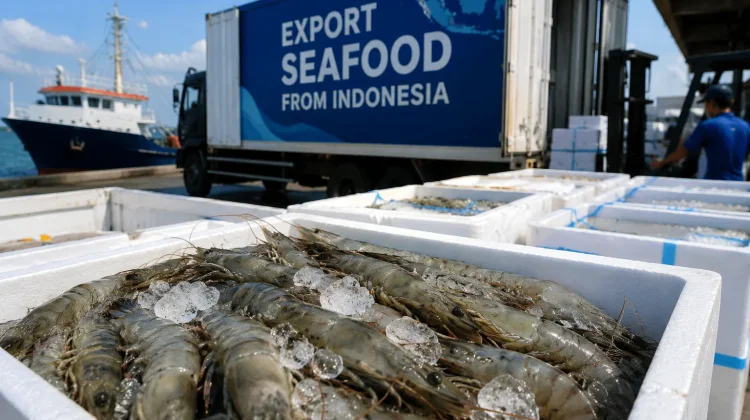

Frozen seafood products in Indonesia are increasingly relevant to international buyers looking for reliable sourcing, consistent quality, and efficient export solutions. A Seafood Distributor in Indonesia can support importers by providing a reliable supply of fishery products, managing inventory, preparing export-ready packaging, maintaining cold-chain standards, and coordinating international logistics. For restaurants, retailers, wholesalers, and foodservice companies, choosing the right distributor can simplify the seafood procurement process.
What Does a Seafood Distributor Do?
A seafood distributor acts as an important link between seafood processors, fishing operations, exporters, and international buyers. Instead of requiring buyers to manage multiple suppliers for different species, a distributor can provide access to a broader product portfolio through one sourcing relationship.
For international buyers, this can mean easier procurement, consolidated orders, more consistent product specifications, and better communication throughout the purchasing process.
Indonesia is particularly well positioned for seafood distribution because of its extensive maritime resources. According to the Food and Agriculture Organization (FAO), Indonesia is among the world’s major fish-producing countries, with fisheries and aquaculture playing an important role in food supply, employment, and international trade.
Seafood Distributor vs. Seafood Exporter
Although the terms are sometimes used interchangeably, a distributor and an exporter can have different roles.
A seafood distributor primarily focuses on sourcing, inventory, product availability, order fulfillment, and supplying customers. A seafood exporter, meanwhile, focuses more specifically on preparing products and documentation for international markets and coordinating export shipments.
Some companies operate across several stages of the supply chain. AB Mandiri, for example, combines seafood processing, sourcing, distribution, and export capabilities. This integrated approach can provide international buyers with a more streamlined purchasing process.
How Distributors Manage Seafood Inventory
Inventory management is critical because seafood is a temperature-sensitive product. A professional Seafood Distributor in Indonesia needs to manage product availability while maintaining appropriate storage conditions.
Frozen seafood allows distributors to maintain inventory for longer periods than fresh seafood, helping buyers plan their purchasing requirements more efficiently. Products can be stored according to their specifications and prepared based on customer orders.
For international buyers, effective inventory management can help reduce supply interruptions and provide greater predictability when planning wholesale orders.
Wholesale Seafood Sourcing
International buyers often require specific species, quantities, sizes, cuts, and packaging formats. Working directly with multiple fishing operations or processors can complicate procurement.
A distributor can consolidate sourcing requirements and provide buyers with a more efficient purchasing channel. This is particularly useful for importers and wholesalers who need multiple seafood export products in a single order.
A capable distributor should be able to clearly communicate product specifications, including species, product form, weight, size grading, freezing method, packaging, and available quantities.
Maintaining Product Consistency
Consistency is one of the most important considerations when sourcing seafood internationally.
Buyers typically need products that meet agreed specifications from shipment to shipment. Variations in size, processing, packaging, or quality can create problems for restaurants, food manufacturers, retailers, and wholesalers.
An experienced Seafood Distributor in Indonesia can help establish clear product specifications before an order is processed. This creates a reference point for purchasing teams and helps ensure that the delivered products align with the buyer’s requirements.
Quality control should cover product handling, processing, freezing, storage, packaging, and shipment preparation.
Packaging and Product Specifications
International seafood buyers may have different requirements depending on their market and end use. Restaurants may need specific cuts or portion sizes, while wholesalers may prioritize bulk packaging and standardized carton weights.
Packaging specifications can include:
- Product form and cut
- Net and gross weight
- Size or grading
- Individual or bulk packaging
- Freezing method
- Carton specifications
- Labeling requirements
Clear specifications reduce misunderstandings between suppliers and buyers and make international procurement more efficient.
Cold-Chain Management
Cold-chain management is essential for maintaining seafood quality from processing through delivery.
For frozen seafood, temperature-controlled storage and transportation help preserve product condition throughout the supply chain. The process may involve freezing facilities, cold storage, refrigerated transportation, port handling, and temperature-controlled international shipping.
The global seafood market increasingly depends on efficient cold chains because seafood products often travel long distances before reaching their final market. For international buyers, a distributor with established cold-chain procedures can reduce logistical complexity and help protect product quality.
International Logistics and Export Support
International seafood purchasing involves more than finding the right product. Buyers also need to coordinate documentation, packaging, freight, customs requirements, and shipping schedules.
An experienced distributor with export capabilities can help coordinate these activities and communicate with logistics partners.
This is particularly valuable for importers purchasing frozen seafood products, as delays can disrupt inventory planning and delivery schedules.
Working with a company that understands both domestic sourcing and international export requirements can create a smoother supply chain from Indonesia to the destination market.
Supporting Restaurants, Retailers, and Importers
A seafood distributor can serve different types of international buyers.
Restaurants may require consistent species, sizes, and cuts for menu planning.
Retailers often need standardized packaging and labeling, as well as reliable product availability.
Importers and wholesalers may require larger volumes, multiple product categories, and flexible shipment planning.
By understanding these different requirements, a distributor can provide a sourcing solution tailored to the buyer’s business model rather than simply selling individual seafood products.
Why Choose a Seafood Distributor in Indonesia?
Indonesia offers international buyers access to a wide range of marine fishery resources and seafood processing capabilities. Choosing a Seafood Distributor in Indonesia can provide several advantages, including broader product access, centralized procurement, product consistency, cold-chain management, and export support.
For buyers evaluating suppliers, important factors include product range, processing capabilities, quality management, packaging options, export experience, communication, and the ability to meet specific purchasing requirements.
AB Mandiri combines seafood sourcing, processing, distribution, and export capabilities to support international buyers seeking Indonesian seafood. Its portfolio includes various fish and seafood products supplied in different processing and freezing formats.
For businesses looking to establish a reliable seafood sourcing relationship, working with an experienced Indonesian distributor can make the process more efficient from product selection through international delivery.
Frequently Asked Questions
A seafood distributor sources, manages, and supplies seafood products to customers such as wholesalers, restaurants, retailers, foodservice companies, and importers.
Indonesia has extensive marine resources and a large seafood industry, giving international buyers access to a broad range of fish and seafood products.
Buyers should evaluate product quality, consistency, processing capabilities, packaging, cold-chain management, export experience, documentation, and communication.
Yes. Indonesian seafood companies can supply frozen products in various formats, depending on the species, processing requirements, and buyer specifications.
Buyers can begin by identifying required species, product specifications, quantity, packaging, destination market, and delivery requirements, then request product and quotation details from an experienced Indonesian seafood company.
Start Sourcing Seafood From Indonesia
For international buyers, the right distribution partner can simplify sourcing while providing access to consistent Indonesian fishery products and export support. If you are looking for a reliable seafood supplier in Indonesia, AB Mandiri can help connect your business with suitable seafood products and sourcing solutions.
Contact AB Mandiri to discuss your seafood requirements, product specifications, and international sourcing needs.

