Japan is often celebrated for its striking contrast between tradition and modernity, but one of the most rewarding parts of visiting the country is the opportunity to experience its culture more closely. Beyond famous landmarks and popular city attractions, Japan offers travelers countless ways to engage with local customs, heritage, arts, cuisine, and seasonal traditions. These cultural experiences often become the moments that leave the strongest impression long after a trip has ended.
For many travelers, exploring culture adds depth to a journey. It transforms a vacation from simple sightseeing into a more meaningful experience shaped by local history, daily life, and long-standing traditions. Whether it is walking through preserved historic districts, participating in traditional activities, visiting centuries-old temples, or attending seasonal festivals, cultural travel in Japan offers something far more memorable than checking off attractions on a list.
Another reason cultural travel in Japan feels so rewarding is the variety of experiences available across different regions. Large cities offer museums, historic neighborhoods, and cultural performances, while smaller towns provide access to traditional crafts, local festivals, and regional customs that reflect a slower pace of life. Each destination presents its own perspective on Japanese culture, making it possible to build an itinerary filled with diverse and meaningful experiences.
Whether visiting for the first time or returning to explore new places, travelers can find countless opportunities to connect with Japan beyond its most famous attractions. From Kyoto’s preserved heritage and Tokyo’s mix of tradition and innovation to Hokkaido’s seasonal customs and regional identity, cultural experiences can help visitors better understand the country’s character while making every trip feel more personal.
Why Cultural Experiences Matter When Traveling in Japan
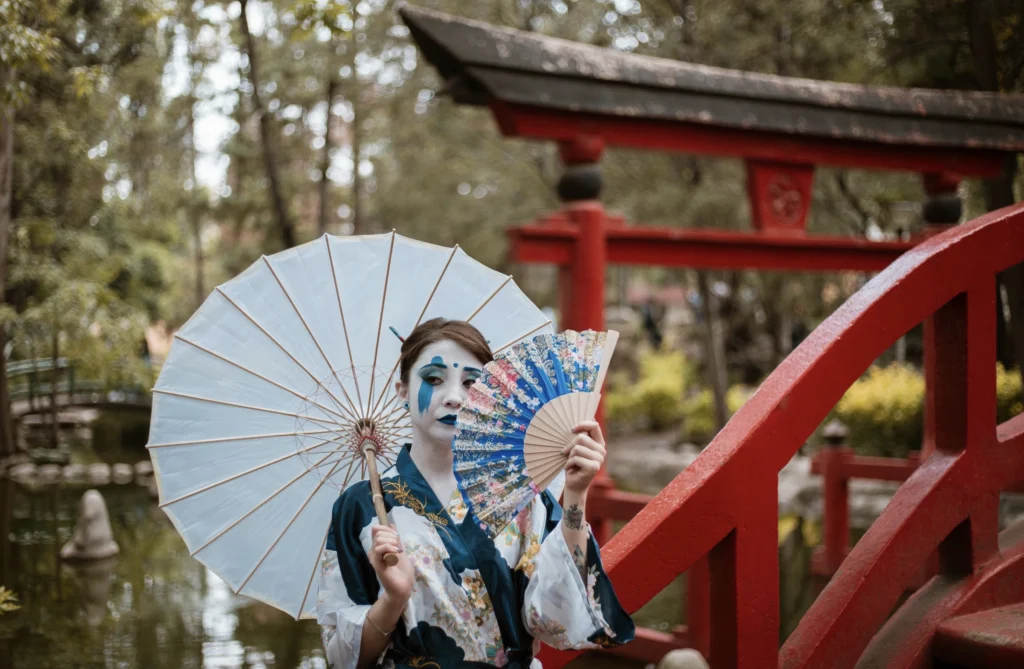
Traveling through Japan becomes more rewarding when visitors go beyond sightseeing and take time to understand the stories, traditions, and local customs that shape each destination. Cultural experiences provide that connection. They allow travelers to see how history continues to influence daily life, architecture, food, seasonal events, and social traditions throughout the country.
One of the strengths of Japan as a cultural destination is the way old and new coexist so naturally. A traveler may spend the morning visiting a historic shrine, the afternoon exploring a neighborhood known for traditional crafts, and the evening dining in a modern district filled with contemporary design and entertainment. This contrast makes cultural exploration feel dynamic rather than static, showing how tradition remains relevant in modern Japan.
Cultural travel also encourages a slower and more intentional style of exploration. Instead of rushing from one landmark to another, travelers can focus on the meaning behind what they see and experience. A walk through a preserved district, a seasonal festival, or a local cultural activity often reveals far more about a place than a quick visit to a crowded attraction. These moments help travelers develop a stronger connection to each destination and create memories that feel more personal.
For travelers who appreciate comfort alongside cultural discovery, choosing the right base can make the experience even more enjoyable. Staying at five star hotel in sapporo while exploring Hokkaido, for example, allows visitors to combine premium hospitality with access to regional traditions, seasonal events, and local cultural experiences throughout the area.
Traditional Cultural Experiences to Explore in Japan
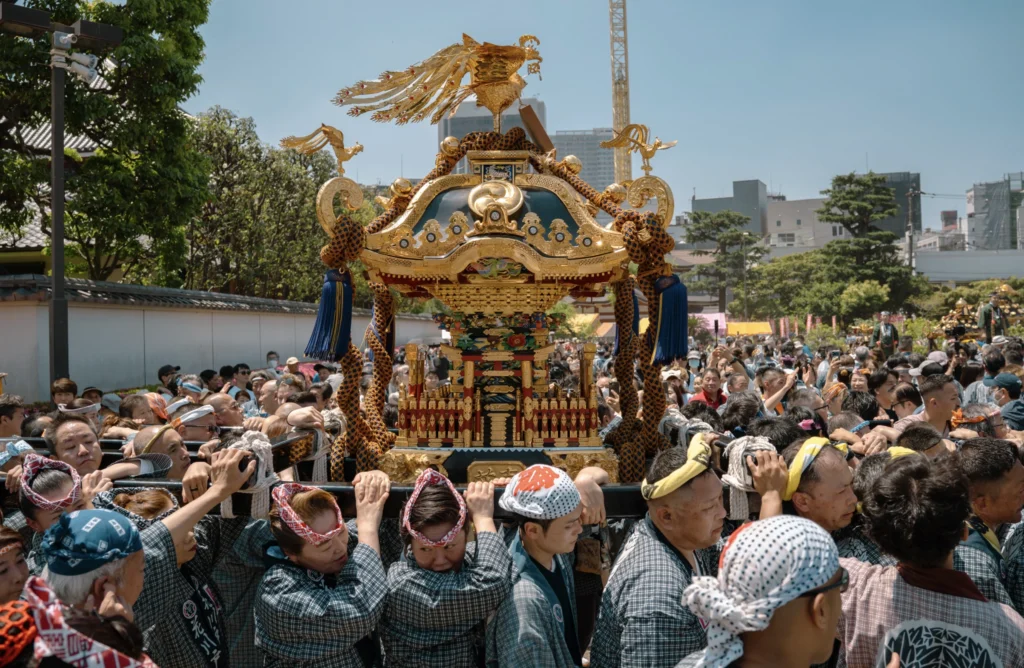
Japan offers a wide range of cultural activities that can be enjoyed across different cities and regions. Some experiences are closely tied to the country’s history, while others reflect everyday customs, seasonal celebrations, or local artistic traditions. Including these experiences in a travel itinerary can help create a deeper understanding of Japan while making the trip more memorable.
Rather than treating culture as a single attraction, it is often better to think of it as a series of experiences that reveal different sides of the country. Architecture, cuisine, festivals, gardens, performances, and traditional crafts all contribute to the broader cultural landscape. Exploring several of these elements across multiple destinations creates a more complete and rewarding journey.
Traditional Japanese Festivals
Festivals remain one of the most vibrant ways to experience local culture in Japan. Seasonal celebrations take place throughout the year and often reflect regional traditions, religious practices, historical events, or agricultural cycles. These festivals give travelers the chance to witness music, dance, ceremonial rituals, local food, and community gatherings that showcase the spirit of each destination.
Read Also: Traditional Japanese Festivals
Tea Ceremony in Japan
A tea ceremony offers a quieter and more reflective introduction to Japanese culture. Rooted in hospitality, etiquette, and aesthetics, this traditional practice highlights the importance of mindfulness and simplicity. For many travelers, participating in a tea ceremony provides a meaningful opportunity to engage with a cultural tradition that has remained important for centuries.
Read Also: Tea Ceremony in Japan
Japanese Gardens
Japanese gardens are more than scenic spaces—they reflect design philosophies centered on balance, harmony, and seasonal beauty. Visiting gardens in cities such as Kyoto, Kanazawa, or regional destinations across Japan allows travelers to experience another side of the country’s cultural identity through landscape design, architecture, and quiet observation.
Read Also: Japanese Gardens
Cultural Destinations That Add More Depth to Your Journey
While cultural experiences can be found throughout Japan, certain destinations stand out because of the way they preserve traditions, showcase regional heritage, and offer travelers a stronger sense of place. Visiting these areas allows travelers to move beyond surface-level sightseeing and experience culture through architecture, local customs, food, festivals, and everyday life.
Adding a few culturally rich destinations to an itinerary can transform an ordinary trip into a more immersive experience. Some places are known for their historic districts and traditional arts, while others reveal culture through seasonal customs, local craftsmanship, and regional ways of life. Exploring a variety of destinations helps travelers appreciate how diverse Japanese culture can be from one region to another.
Cultural Activities in Kyoto
Kyoto remains one of the most important destinations for travelers seeking cultural experiences in Japan. The city is filled with historic temples, traditional neighborhoods, preserved streetscapes, and gardens that reflect centuries of Japanese heritage. Visitors can explore cultural landmarks, enjoy traditional dining experiences, and take part in activities that offer a closer look at the customs and aesthetics that have shaped the city for generations.
For many travelers, Kyoto provides the clearest introduction to Japan’s cultural identity because so many aspects of traditional life are still visible throughout the city. From architecture and craftsmanship to seasonal events and local rituals, Kyoto offers a rich environment for cultural exploration.
Read Also: Cultural Activities in Kyoto
Traditional Experiences in Hokkaido

Hokkaido offers a different perspective on cultural travel compared to Japan’s historic cities. While the region is often associated with nature, winter travel, and scenic landscapes, it also provides opportunities to explore local traditions, seasonal customs, regional cuisine, and cultural experiences shaped by its climate and identity. Travelers can discover local festivals, markets, craft traditions, and heritage sites that reveal another side of Japan beyond the country’s more familiar cultural destinations.
The region’s seasonal atmosphere also plays an important role in shaping its cultural appeal. Winter celebrations, local food culture, and regional hospitality all contribute to a distinct travel experience that feels different from central or western Japan. This makes Hokkaido an especially rewarding addition for travelers looking to broaden their understanding of Japanese culture.
Read Also: Traditional Experiences in Hokkaido
How to Add Cultural Experiences to Your Japan Itinerary
Including cultural experiences in a Japan itinerary does not require turning the entire trip into a history-focused journey. In fact, many of the most rewarding cultural moments come from small choices—visiting a traditional district instead of a shopping center, attending a seasonal festival, spending time in a garden, or joining a local activity that offers insight into regional customs. These experiences can be integrated into almost any itinerary, regardless of whether the trip is centered on cities, nature, food, or luxury travel.
One of the most effective approaches is to balance major attractions with slower cultural experiences. A trip that includes museums, temples, local markets, neighborhood walks, and seasonal events often feels more memorable than one built entirely around famous landmarks. Cultural travel is not only about seeing important places—it is also about understanding the atmosphere, traditions, and daily life that give each destination its identity.
Travelers can also use accommodations as part of the overall cultural experience by staying in destinations that offer easy access to heritage areas, regional dining, and local events. This makes it easier to explore at a more relaxed pace while remaining connected to the character of the region being visited.
By choosing a few meaningful activities and destinations rather than trying to experience everything at once, visitors can build a more thoughtful itinerary that reflects both the diversity of Japan and their own travel interests.
Why Cultural Travel Makes Japan More Memorable
One of the reasons cultural travel leaves such a lasting impression is that it allows visitors to connect with Japan on a deeper level. Rather than viewing the country only through its major attractions, travelers begin to understand the traditions, values, aesthetics, and regional identities that shape everyday life. These experiences often turn a trip into something more personal and meaningful.
Cultural experiences also add variety and balance to an itinerary. A journey that combines sightseeing with festivals, traditional neighborhoods, local customs, gardens, and regional food culture often feels richer than one focused solely on famous landmarks. These moments provide a stronger sense of place and help travelers appreciate the unique atmosphere of each destination they visit.
Japan is especially rewarding for this kind of travel because culture is not limited to museums or historical sites. It can be found in architecture, hospitality, cuisine, seasonal celebrations, craft traditions, and everyday routines. This makes cultural exploration accessible even to travelers who only have a limited amount of time in each city or region.
As a result, cultural travel often becomes the part of a trip that people remember most. It creates moments of discovery, reflection, and connection that go beyond ordinary tourism, helping travelers leave Japan with a deeper appreciation of the country and its many regional identities.
Conclusion
Japan cultural experiences offer travelers an opportunity to see the country beyond its most famous attractions. From traditional festivals and tea ceremonies to gardens, heritage districts, and regional customs, these experiences add meaning, variety, and depth to any journey. They help visitors connect with local traditions while gaining a stronger understanding of Japan’s diverse cultural landscape.
Whether exploring historic cities such as Kyoto, discovering seasonal traditions in Hokkaido, or simply adding a few cultural activities to a broader itinerary, travelers can create more memorable and rewarding journeys by making culture part of the experience. These moments often become the highlights of a trip because they reveal the stories, values, and atmosphere that make each destination unique.
For travelers seeking a more meaningful way to explore Japan, cultural experiences remain one of the best ways to transform a vacation into something more personal, immersive, and unforgettable.