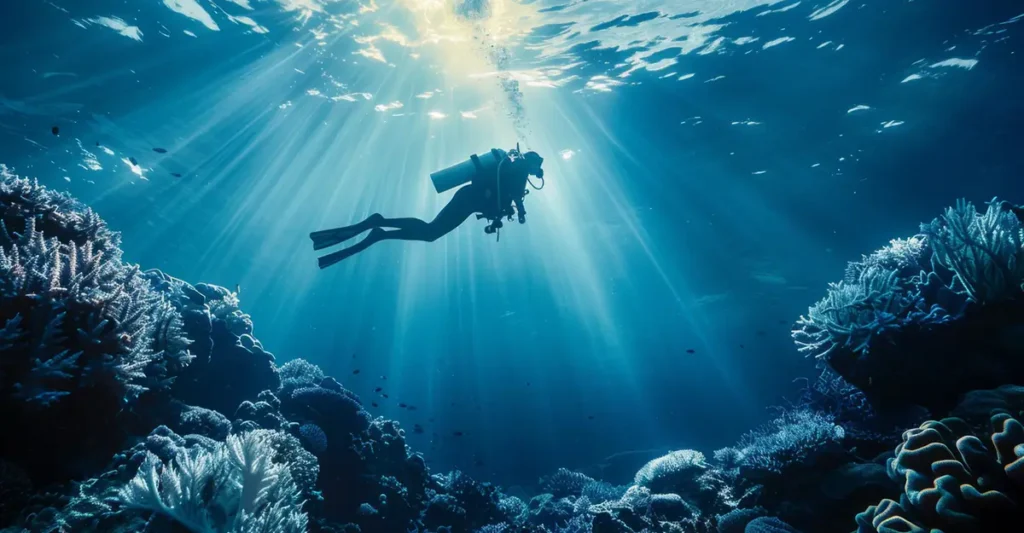

A Halmahera liveaboard is for divers who want to move beyond Indonesia’s most famous routes and discover a region shaped by volcanic islands, remote reefs, current-fed channels, and cultural history. Positioned between the Philippines, Sulawesi, and New Guinea, Halmahera offers a varied diving journey with fewer crowds and a strong expedition feel.
Why Halmahera Is an Underrated Diving Region
Wallacea Dive Cruise describes scuba diving in Halmahera as exceptionally varied, with critter dives in Ternate, emerald waters and schools of fish in Tidore, pelagic walls in Bacan, drift dives in the Patinti Strait, and beautiful coral gardens. The islands are connected to the open Northeast Pacific Ocean, giving the region a distinct marine character.
For divers seeking a less conventional itinerary in Indonesia, this variety is the main attraction. A Halmahera liveaboard can combine macro, reef, wall, drift, and pelagic-style diving within one route.
The Geography Behind the Experience
Halmahera sits in a biologically fascinating part of Indonesia. The broader Wallacea region lies between the Asian and Australian ecological zones, and its islands have long been recognised for unusual biodiversity and endemism.
This geography gives Halmahera an adventurous identity. Above water, travellers may encounter volcanic scenery, rainforest-covered islands, and historic spice-route locations such as Ternate and Tidore. Below the water, the region offers reefs, walls, black-sand muck sites, and channels where currents bring life.
Data Points Divers Should Know
Wallacea states that visibility in Halmahera typically ranges from 20 to 30 metres, although conditions may vary with currents and weather. The destination has medium-level currents, while the Patinti Strait can experience stronger currents at times.
These figures help travellers better understand the destination. Halmahera is not only for extreme divers, but it is best suited to guests who are comfortable with changing conditions and open to varied dive profiles. It can offer clear water, current movement, macro sites, and pelagic potential depending on the area.
Key Dive Areas and Marine Life
Ternate and Tidore offer a mix of history and marine life. Wallacea describes black-sand dive sites in this area as suitable for muck diving, with critters such as pygmy seahorses, frogfish, and nudibranchs. Wrecks add another layer of interest, while historical forts above water give the journey cultural context.
The Halmahera page also lists species divers may encounter, including reef sharks, barracudas, pygmy seahorses, manta rays, and walking sharks. This mix supports both wide-angle and macro photography, making the region appealing to photographers who want variety.
Why Liveaboard Travel Matters in Halmahera
Halmahera’s strongest dive areas are spread across islands, bays, walls, and straits. A resort-based approach may not capture the full range of experiences. A liveaboard allows divers to cover more ground, adapt to conditions, and connect remote sites into one coherent route.
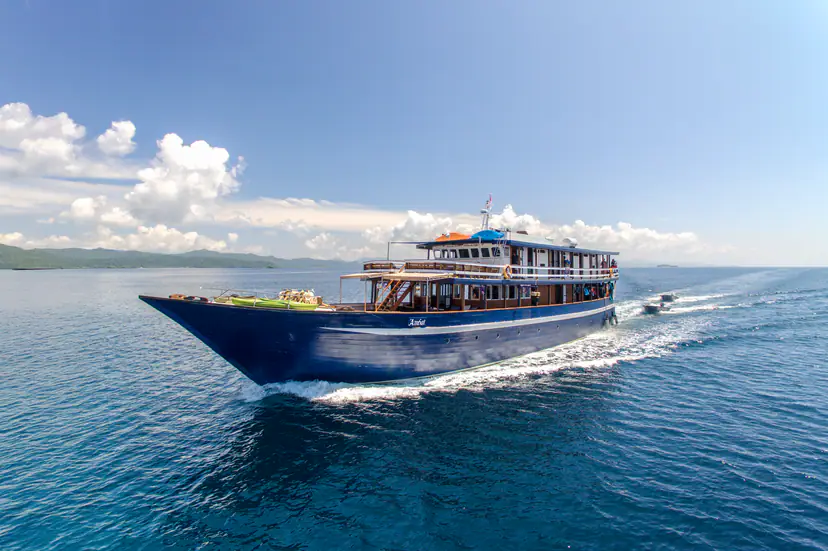
The Halmahera liveaboard format is also useful because the destination is less standardised than more famous areas. It benefits from experienced guides who understand currents, site timing, route distance, and safety briefings. This kind of expertise matters when diving in exploratory regions.
Who Should Choose Halmahera?
Halmahera is ideal for divers who have already experienced places such as Raja Ampat or Komodo and want a different type of Indonesian adventure. It suits travellers who enjoy remote routes, volcanic landscapes, mixed dive styles, and sites that feel less photographed and less predictable.
It is also suitable for divers who appreciate cultural context. Ternate and Tidore are not just dive names. They are islands with history, forts, spice-trade heritage, and strong local identity. This gives a Halmahera cruise more depth than a purely underwater itinerary.
Final Thoughts
A Halmahera liveaboard offers a wilder, more varied side of Indonesian diving. With muck sites, walls, drift dives, coral gardens, historical islands, and species ranging from pygmy seahorses to manta rays and walking sharks, Halmahera is a strong choice for divers seeking something beyond the obvious. For travellers who want remote reefs and a sense of discovery, this region deserves a place on the Indonesia diving map.


