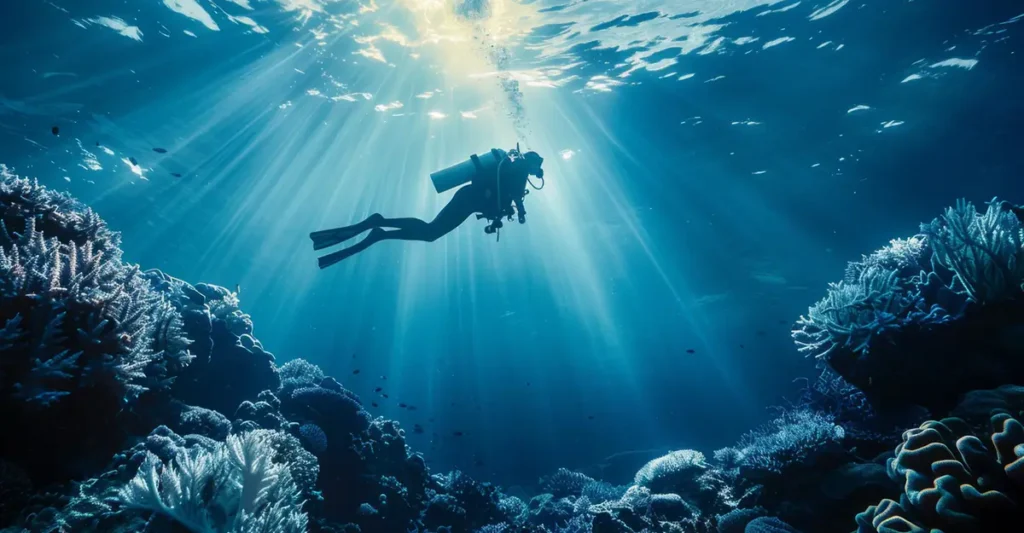

A Diving Liveaboard in Indonesia is no longer just about ticking off famous destinations. Today, experienced divers are shifting towards something deeper, quieter, and far more rewarding: micro-expeditions. These curated journeys focus on lesser-known dive routes, seasonal biodiversity, and immersive exploration, redefining what diving in Indonesia truly means.
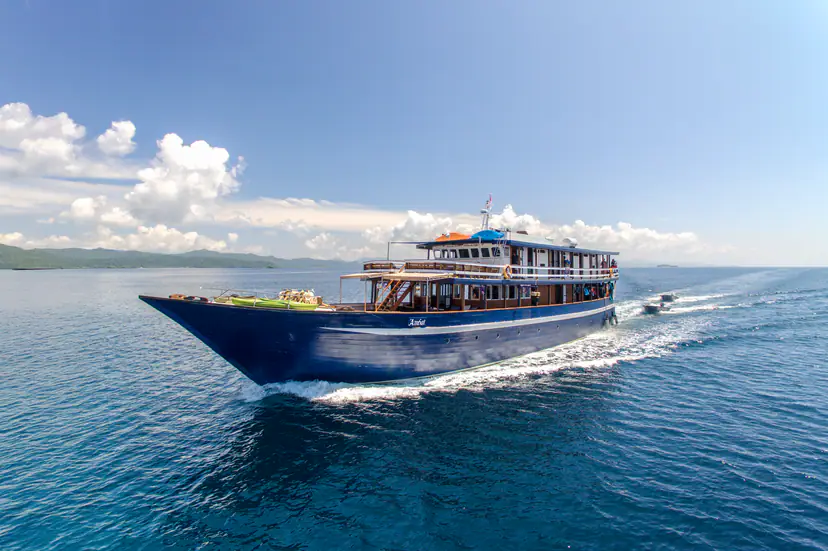
For those researching premier scuba diving in Indonesia, this shift represents a new era. It is not just about where you dive, but how intentionally you explore.
The Rise of Micro-Expedition Diving
Traditional itineraries have long focused on iconic hotspots. While destinations like Raja Ampat diving and Komodo diving remain world-class, seasoned divers are increasingly seeking routes that go beyond the obvious.
Micro-expedition diving is built on three principles:
- Fewer crowds, more untouched reefs
- Flexible routes based on conditions and wildlife
- Deeper immersion into each location
A Diving Liveaboard allows this flexibility. Unlike land-based diving, it removes logistical constraints, giving access to remote reefs, unexplored walls, and rarely visited channels.
Why Indonesia Is the Perfect Playground
Indonesia sits at the heart of the Coral Triangle, making it one of the richest marine ecosystems on the planet. But its true advantage lies in scale.
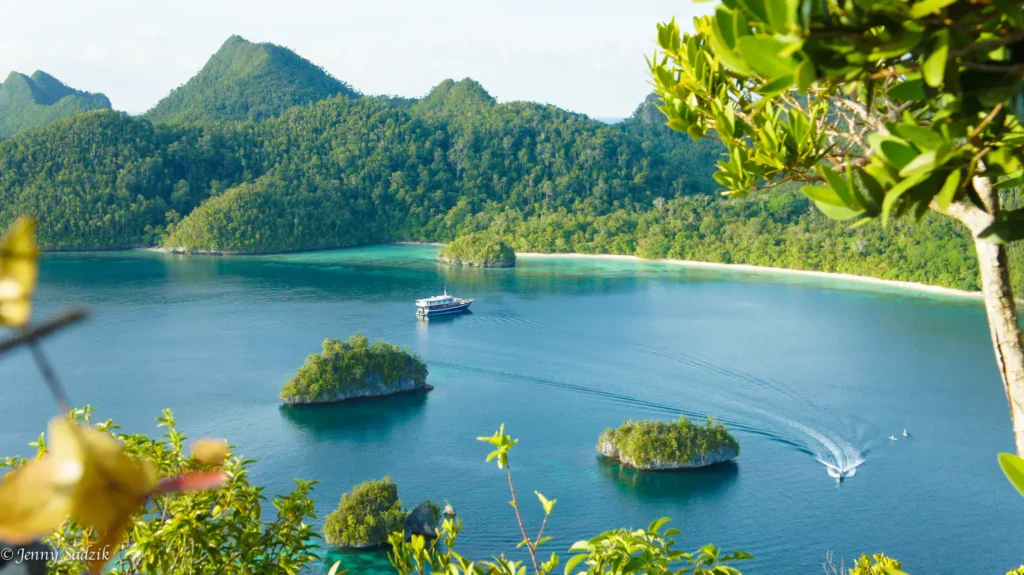
With over 17,000 islands, the country offers:
- Vast, unexplored dive zones
- Seasonal marine migrations
- Diverse underwater topography
While many travellers focus on Raja Ampat liveaboard or Komodo liveaboard routes, the real opportunity lies in connecting these regions with lesser-known areas in between.
This is where a Diving Liveaboard becomes essential, serving as both transport and base camp for discovery.
Beyond Raja Ampat and Komodo
Let’s be clear. Raja Ampat and Komodo deserve their reputation.
- Raja Ampat diving offers unmatched biodiversity
- Komodo Island diving delivers strong currents and pelagic action
But the future of elite dive travel is not choosing between them. It is expanding beyond them.
Between and around these destinations are hidden zones where:
- Dive pressure is minimal
- Marine life behaves more naturally
- Conditions remain pristine
Combining known regions with emerging sites creates a more complete and rewarding journey.
Designing a Smarter Dive Itinerary
The best modern dive trips are no longer fixed schedules. They are adaptive.
A well-designed diving boat itinerary should consider:
1. Seasonal Windows
Different regions peak at different times. Understanding this is key to maximising sightings.
2. Diver Experience Level
Advanced divers can access stronger currents and deeper sites, especially in areas known for Komodo-like diving conditions.
3. Marine Life Goals
Whether it is macro or pelagic, routes should be tailored accordingly.
4. Travel Flow
Minimising transit time maximises time underwater.
A Diving Liveaboard allows all four factors to work together seamlessly.
The Experience Onboard
The difference between an average trip and an exceptional one often comes down to the onboard experience.
Modern liveaboards are no longer just functional. They are designed for comfort, recovery, and social connection.
Key elements include:
- Spacious decks for relaxation between dives
- Well-organised dive platforms for efficiency
- Comfortable cabins for proper rest
- Experienced crew who understand both safety and service
This balance is what transforms a trip into something memorable.
What Makes Indonesia Unique for Liveaboards
Globally, many destinations offer good diving. Few offer the same combination of diversity, accessibility, and scale.
Indonesia stands out because:
- You can experience multiple ecosystems in one trip
- Conditions range from calm reefs to adrenaline currents
- Marine encounters vary daily
This variety is why Komodo and Raja Ampat diving continue to attract attention, and why divers keep coming back to explore further.
The Strategic Advantage of Liveaboards
Choosing a Diving Liveaboard is not just about convenience. It is a strategic decision.
Compared to resort-based diving, liveaboards offer:
- Access to remote dive sites unreachable by day boats
- Early and late dives with minimal competition
- More dives per day
- Greater flexibility in route planning
For serious divers, this translates into more meaningful underwater time and better overall results.
Sustainability and Responsible Exploration
With increased interest in remote diving, sustainability becomes critical.
Responsible operators focus on:
- Low-impact anchoring practices
- Waste management systems onboard
- Supporting local communities
- Educating guests on reef protection
Choosing the right operator ensures that exploration does not come at the expense of preservation.
Who Should Choose This Type of Experience
This approach is ideal for:
- Experienced divers looking for something beyond standard routes
- Photographers seeking unique subjects
- Groups wanting a private, immersive journey
- Travellers prioritising depth over volume
It is less about ticking boxes and more about building a story.
Conclusion
The future of diving in Indonesia is evolving. While iconic destinations remain essential, the real opportunity lies in exploring beyond them.
A well-planned Diving Liveaboard journey unlocks a deeper, more flexible, and more rewarding way to experience the ocean. It shifts the focus from destinations to discovery, from schedules to exploration.
For divers ready to go further, Indonesia offers not just dive sites, but an entire world waiting to be explored.
FAQ
A diving liveaboard is a boat that serves as accommodation and a dive base, allowing divers to access remote locations and complete multiple dives per day.
Indonesia offers unmatched marine biodiversity and vast dive regions, making liveaboards the best way to explore multiple locations efficiently.
It depends on the region. Raja Ampat is best from October to April, while Komodo is ideal from April to November.
Some routes are beginner-friendly, but many are better suited for intermediate to advanced divers due to currents and conditions.
Expect multiple daily dives, structured schedules, onboard meals, and comfortable living spaces designed for recovery between dives.

